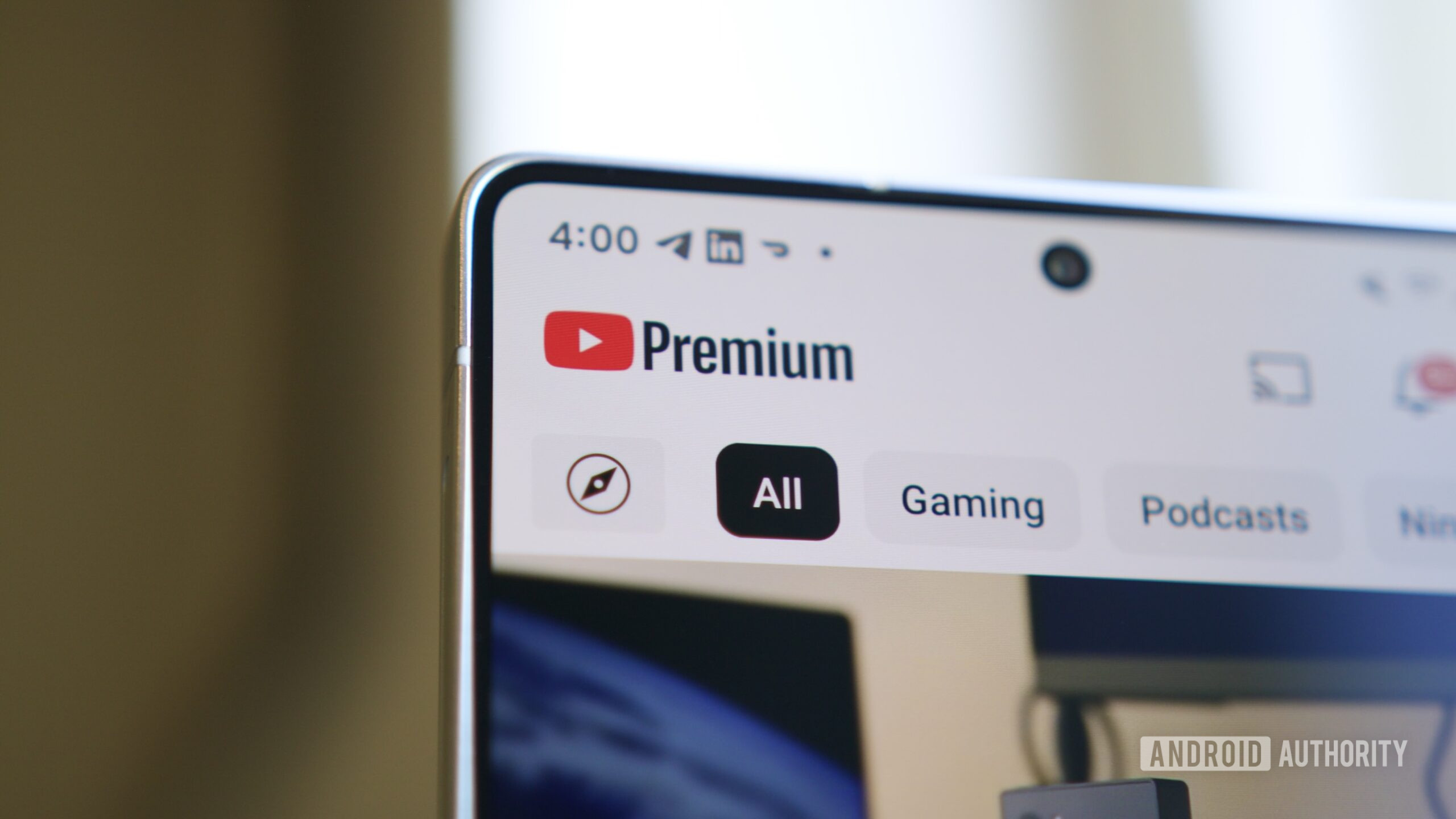
YouTube Premium’s Main Shortcoming: The Absence of a Two-Person Plan
Andy Walker, writing for Android Authority on September 14, 2025, articulates a significant frustration shared by many potential subscribers: YouTube Premium’s current subscription tiers fail to cater to households consisting of two individuals. Despite YouTube’s persistent efforts to promote Premium through endless ads, tantalizing features like ad-free viewing, downloads, and background play, and bundled access to YouTube Music Premium, Walker finds the existing options inadequate for his needs, deeming the service a “tough sell.”
The Mismatch: Solo vs. Family Plans for a Couple
The core of the problem lies in YouTube Premium’s limited plan structure. Currently, there are only three tiers: a student plan, an individual plan, and a family plan accommodating up to six members. Walker quickly dismisses the student plan due to ineligibility. The individual plan, priced at $13.99/month, would be suitable for him alone, but his partner also desires an ad-free experience. Subscribing to two individual plans would amount to $27.98/month, surpassing the cost of even Netflix’s premium 4K tier, which Walker finds prohibitive.
The next logical step, the Family plan at $23.99/month, initially appears more economical than two individual subscriptions and provides five additional “slots.” However, YouTube’s recent enforcement of rules requiring all family members to reside in the same household renders this option impractical for a couple. With only two users, four of the six available spots would go unused, an inefficiency Walker experienced with Netflix’s similar policies, leading to his reluctance to face such issues again. He emphasizes, “I’m no longer a student, I don’t live alone, nor do I live with five other people. No Premium plan makes sense for me.” This gap in the offerings makes it challenging to justify the monthly expense, especially if the premium features don’t offer truly transformative value. A mid-range, two-person tier is presented as a crucial missing link to attract users in similar living situations.
Questioning the ‘Premium’ Value Proposition
Walker further questions whether YouTube Premium’s benefits are truly “premium” enough to warrant the cost. He draws a direct comparison to his Spotify Duo subscription, which allows him and his partner ad-free music listening and collaborative tools for a price lower than a single YouTube Premium subscription. He highlights that Spotify Duo offers significant value, a sentiment he doesn’t share regarding YouTube Premium for a two-person household.
Moreover, many of YouTube Premium’s most attractive features, such as background play and ad-blocking, are increasingly accessible through third-party means without requiring a paid subscription. Browsers like Microsoft Edge Canary, Banana Browser, and Brave now offer built-in functionalities that mimic these premium features, eroding the exclusivity and perceived value of YouTube’s paid service. This ease of circumventing core Premium benefits means that paying over $280 annually for YouTube Premium becomes difficult to rationalize. Walker states, “At Family plan prices, none of the genuinely useful Premium features really appeal to me.”
Beyond the feature set, Walker criticizes the overall user experience of YouTube itself, irrespective of Premium. He points to the proliferation of low-quality AI-generated content on the Trending page, the prevalence of Shorts, the introduction of text-posts, the app’s limited customizability, and the often-mediocre personal recommendations. He argues that a Premium subscription would not alleviate these underlying platform issues. Additionally, YouTube Music, though personally enjoyable for Walker, is seen as lagging behind competitors like Spotify and does not hold enough independent value to justify its cost, even when bundled with the video service.
A Glimmer of Hope: The Two-Person Plan in Testing
There is potential good news on the horizon. Walker notes that YouTube has been actively testing a two-person Premium plan in several international markets, including France, Hong Kong, India, and Taiwan, for several months. Initial pricing structures observed in these regions suggest such a plan could cost approximately 1.5 times the individual solo plan, which Walker considers a much more appealing value proposition. He believes a plan “that costs ~50% more than a solo plan could make me reevaluate my Premium pause.”
However, the global rollout of this two-person plan remains uncertain. YouTube has not provided clear indications that it intends to expand this test to other markets, and its future hinges on favorable testing data. Walker’s attempts to solicit comments from YouTube regarding the pilot and its potential future were unsuccessful prior to the article’s publication. Despite this uncertainty, he concludes by emphasizing the growing frustration among users regarding the lack of suitable plan options and reiterates that a dedicated two-person plan could effectively address this widespread need and finally convince him, and many others, to subscribe to YouTube Premium.