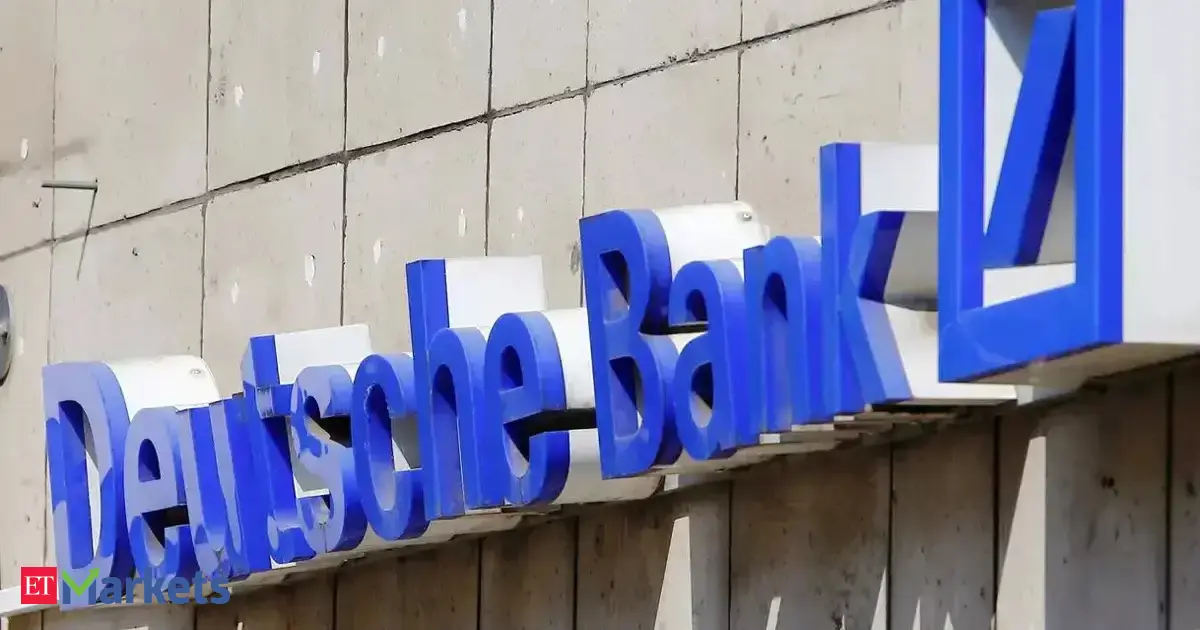
Kotak, Federal Bank in Talks to Acquire Deutsche Bank’s India Retail & Wealth Portfolios
Leading Indian private sector banks, Kotak Mahindra Bank and Federal Bank, are reportedly engaged in advanced negotiations to acquire the India retail and wealth management portfolios of German lender Deutsche Bank. This strategic move signals Deutsche Bank’s clear intention for a full exit from these specific business segments within the vibrant, yet highly competitive, Indian market. The core discussions revolve around crucial aspects such as the valuation of these significant assets and the granular details of the loan bundles encompassed within the portfolios.
Deutsche Bank’s Strategic Retreat from Indian Retail
Deutsche Bank’s potential divestment of its Indian retail and wealth operations reflects a broader global trend where international financial institutions are recalibrating their strategies, often choosing to scale down or exit retail banking in markets like India. The primary drivers behind such decisions typically include intense competition from robust domestic banks, evolving regulatory landscapes, and a strategic pivot to focus on core global strengths, frequently in corporate and investment banking. Maintaining a significant retail presence in a market as diverse and populous as India often requires substantial capital investment, extensive branch networks, and deep local market understanding, areas where many foreign banks find it challenging to compete effectively against entrenched local players. Historically, other foreign banks have also streamlined or exited parts of their Indian operations, converting to wholly-owned subsidiaries or selling off non-core assets to adapt to India’s unique market dynamics. This move by Deutsche Bank, therefore, aligns with a careful optimization of its global capital and operational resources.
The Allure of the Portfolios on Offer
The retail and wealth management portfolios of a global bank like Deutsche Bank in India are highly attractive assets. The retail segment typically comprises a diverse range of banking products and services, including a robust base of current and savings accounts (CASA), personal loans, vehicle loans, home mortgages, and credit card portfolios. These also often come with a well-developed digital banking infrastructure and a loyal customer base, particularly in urban and semi-urban centers. The wealth management unit, on the other hand, targets high-net-worth individuals (HNIs) and ultra-HNIs, offering bespoke investment advisory services, asset allocation strategies, private banking, and a suite of sophisticated financial products. For potential acquirers, these portfolios represent not just a book of business but also access to a desirable client segment, proven operational processes, and potentially, valuable talent. The inherent quality and stickiness of these customer relationships, coupled with the potential for diversified revenue streams, make them highly coveted assets in India’s booming financial services sector.
Kotak Mahindra Bank: A Vision for Accelerated Expansion
For Kotak Mahindra Bank, known for its strategic and often aggressive inorganic growth initiatives, this potential acquisition offers a significant opportunity to further consolidate its position as a leading universal bank in India. Kotak has a track record of expanding its footprint and enhancing its capabilities through well-timed acquisitions. Absorbing Deutsche Bank’s retail and wealth portfolios would immediately provide Kotak with a larger, more affluent customer base, particularly reinforcing its presence in key metropolitan areas. This expansion would enable substantial cross-selling opportunities for Kotak’s comprehensive product suite, which includes consumer banking, corporate banking, asset management, and insurance. Furthermore, it would strengthen Kotak’s already robust wealth management arm, allowing it to cater to an even broader spectrum of affluent clients and capture a larger share of India’s rapidly expanding HNI segment. The integration could also provide access to new technologies or operational efficiencies, further enhancing Kotak’s competitive advantage.
Federal Bank: Broadening its National Footprint
Federal Bank, a prominent private sector bank with strong roots and a significant presence in South India and among the NRI community, views this acquisition as a transformative step towards national expansion and diversification. While enjoying regional strength, Federal Bank has actively pursued strategies to increase its pan-Indian presence and diversify its customer segments beyond its traditional strongholds. Acquiring Deutsche Bank’s portfolios would grant Federal Bank immediate access to new geographical markets and a more cosmopolitan client base, including corporate professionals and affluent individuals typically served by international banks. This move would complement Federal Bank’s organic growth initiatives and fast-track its ambition to establish a more robust presence in major urban centers across India. It would also significantly enhance its wealth management capabilities, allowing it to compete more effectively with larger private sector banks and offering a broader range of services to its growing customer base.
Intricacies of Negotiation and Seamless Integration
The negotiation process for such a significant acquisition is inherently complex, involving multiple layers of financial, legal, and operational considerations. Valuation remains a critical flashpoint, requiring meticulous assessment of the loan book’s quality (including non-performing assets), the inherent value of customer relationships, brand equity, and the synergy benefits anticipated by the acquiring banks. Due diligence will be exhaustive, delving into regulatory compliance, technological infrastructure compatibility, potential legal liabilities, and the security of customer data. Beyond the financial aspects, a crucial element for success will be operational integration. This involves merging disparate IT systems, standardizing product offerings, aligning organizational cultures, and ensuring the smooth transfer and retention of key employees. A robust and well-articulated transition plan is paramount to minimize disruption, prevent customer attrition, and maintain the acquired portfolios’ value post-acquisition. Furthermore, the acquisition is contingent upon receiving vital regulatory approvals from both the Reserve Bank of India (RBI) and the Competition Commission of India (CCI). These bodies will scrutinize the deal for its implications on financial stability, market concentration, and consumer protection, potentially imposing specific conditions to ensure a fair and competitive banking environment.
Broader Market Implications and Future Outlook
Should this acquisition come to fruition, it will undoubtedly contribute to the ongoing trend of consolidation within India’s banking and financial services sector. This consolidation is a natural outcome of increasing competition and the pursuit of economies of scale, leading to a more streamlined yet intensely competitive market. The deal would not only reshape the retail and wealth management landscape by giving the acquiring banks a significant boost in market share but also send a clear signal to other foreign banks operating in India. It might prompt them to either double down on their niche strategies, significantly scale up their operations, or similarly consider exiting non-core business areas. For Indian consumers, the intensified competition stemming from such consolidations could translate into more innovative products, better service offerings, and potentially more competitive pricing. This development underscores the growing maturity of India’s financial ecosystem, where agile and ambitious domestic players are increasingly taking the lead in shaping the future of the nation’s banking landscape.